
A natural resin known by many names and used in many ways.
“What is natural does not need improvement.”
— Anonymous (Traditional wisdom)
WHAT MASTIC GUM IS
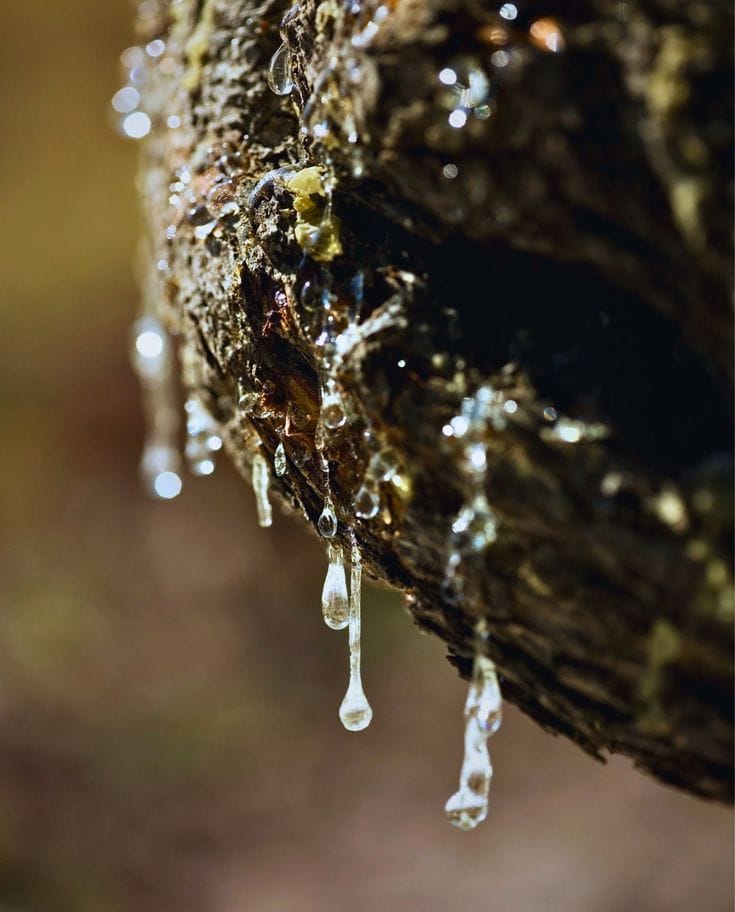
Mastic gum is a natural resin that comes from the Pistacia lentiscus tree. When the bark of this tree is cut, it releases a sticky liquid. Over time, this liquid dries and hardens into small, crystal-like pieces.
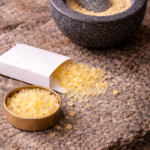
These hardened drops are collected and used in different forms — raw, powdered, or gently softened.
WHAT IT IS CALLED IN INDIA
In India, mastic gum is commonly known as:
- Pista Mastagi
- Mastagi
- Mastaki
- Sometimes confused with gond, though it is different
It is mostly found in:
- Unani medicine stores
- Ayurvedic raw material shops
- Old spice and herb markets
The name changes slightly by region, but the ingredient remains the same.
WHERE IT COMES FROM
Traditionally, mastic gum comes from the Mediterranean region, especially Greece and surrounding areas. From there, it travelled through trade routes to the Middle East, India, and parts of Asia.
Because it was rare and slow to collect, it was treated as a valuable ingredient and used carefully.
HOW IT WAS USED IN DIFFERENT CULTURES
Mastic gum has been used differently across regions:
- In Greek and Middle Eastern traditions, it was used for digestion and oral care
- In Indian Unani practice, it was valued for stomach comfort and balance
- In some regions, it was lightly chewed, while in others it was powdered and mixed
The form changed, but the purpose stayed similar — gentle internal support.
WHY ITS FORM CHANGES
Mastic gum can be:
- chewed raw
- powdered
- mixed with other mild ingredients
Each form serves a different need. Raw chewing focuses on oral use, while powdered form is easier to combine and measure.
This flexibility is one reason it stayed relevant across cultures.
WHY PEOPLE STILL USE IT TODAY
Even today, mastic gum is not used in large amounts.
It is valued because it is:
- mild
- slow acting
- easy to adjust
People who prefer gentle, traditional ingredients often choose it over stronger alternatives.
SUMMARY
Mastic gum is not new.
It is an ingredient that:
- travelled across cultures
- changed names and forms
- kept its purpose
Its continued use comes from how calmly it fits into daily life — without force or excess.