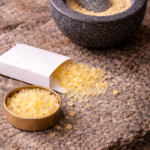


When science looked back instead of forward.
“The future of medicine lies in understanding the past.”
— Paracelsus
THIS TIME, IT WAS NOT ABOUT DISCOVERY
Modern researchers did not “find” ingredients like mastic gum or rock sugar.
They already existed.
They were already used.
They had never disappeared.
What changed was attention.
FROM TRADITION TO QUESTION
For a long time, traditional ingredients were ignored because they did not fit modern trends.
They were seen as:
- old-fashioned
- slow
- not powerful enough
But as lifestyle diseases increased, researchers began asking new questions.
Not:
“Is this fast?”
But:
“Is this sustainable?”
WHAT MODERN SCIENCE ACTUALLY DID
Instead of creating something new, modern science did three simple things:
- It measured what tradition observed
- It tested what culture preserved
- It explained what experience already knew
Ingredients like mastic gum were studied for:
- digestion support
- oral health behaviour
- long-term tolerance
Rock sugar was re-examined for:
reduced harshness compared to refined sugar
controlled sweetness
gentler energy release
WHY MODERN LIFE MADE THIS NECESSARY
Modern living created new problems:
- constant stress
- irregular meals
- overprocessed food
- sleep imbalance
Strong solutions made things worse.
So the focus shifted from:
stronger → smarter
WHAT REDISCOVERY REALLY MEANS
Rediscovery does not mean revival of the past.
It means:
- choosing what still works
- removing what no longer fits
- using old ingredients with modern understanding
This is why powders, measured use, and clean preparation became important.
A SIMPLE WAY TO SEE IT
Earlier systems trusted time.
Modern systems trust data.
When both point in the same direction, ingredients earn attention again.
SUMMARY
The modern world did not replace traditional ingredients.
It finally slowed down enough to understand them.
That is why old ingredients are appearing again — not as trends, but as choices made with clarity.